Labubu has taken the world by storm in 2025, and continuing 2026 transforming from a quirky designer toy into a billion-dollar global sensation. If your kids are begging for these adorable yet mischievous little monsters, or if you’re trying to understand why they’re everywhere, this guide breaks down the top 10 Labubu trends that are dominating the toy world right now.
Why Kids Are Obsessed with Labubu
Before diving into the trends, let’s understand what makes Labubu so irresistible. Created by designer Kasing Lung and manufactured by Pop Mart, Labubu represents a new generation of collectibles that blend cuteness with intentional imperfection. These furry creatures with oversized bunny ears, wonky eyes, and toothy grins appeal to kids because they celebrate individuality rather than traditional beauty standards.
What’s truly revolutionary about Labubu is its “ugly-cute” aesthetic. In a world saturated with filtered, airbrushed, and overly polished content, Labubu shows up authentically weird—and kids find that refreshingly honest. Unlike previous toy trends that relied on perfection, Labubu thrives on personality, humor, and realness. This psychological appeal, combined with clever marketing strategies, has created a phenomenon that spans from 6-year-olds to millennials.
The blind box model (where kids don’t know which figure they’re getting until opening) adds an element of surprise that triggers the same reward responses as gaming. This unpredictability is precisely what makes Labubu so addictive and collectible.
Trend #1: Blind Box Hunting and the Psychology of Surprise
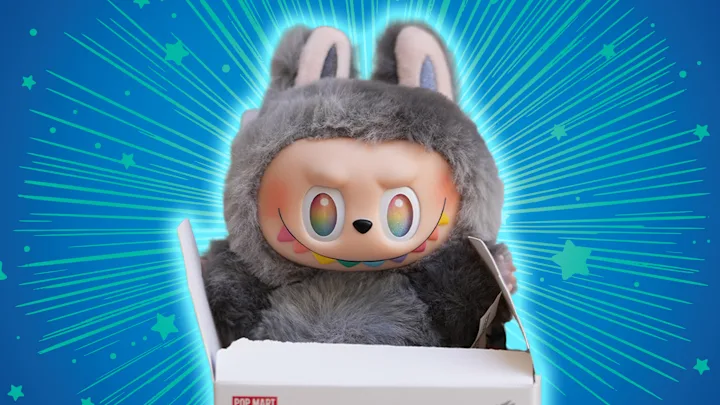
The blind box phenomenon is the foundation of Labubu’s explosive popularity. Each box contains one of 12 regular figures plus one ultra-rare “Secret Edition” (appearing in approximately 1 of 72 boxes). This gamification strategy has transformed toy buying into an exciting treasure hunt.
Kids are obsessed with the unboxing experience itself. Social media is flooded with videos of kids opening boxes, squealing with excitement, and either celebrating their pulls or lamenting duplicates. The blind box model creates several powerful psychological hooks: uncertainty, anticipation, incomplete collections (triggering completion compulsion), and social sharing opportunities.
What makes this trend particularly sticky is that buying one box never feels like enough. Kids want to hunt for the Secret Editions, complete collections, and experience that dopamine hit of landing a rare variant. Retail boxes cost $15-30, but on resale markets, secret figures command $100-500 each, meaning a simple $20 purchase could theoretically flip for thousands if the right variant appears.
Parents have noticed that the blind box strategy is brilliant retail psychology. Many collectors admit they’ve spent hundreds or thousands hunting for specific variants, turning a casual toy purchase into an investment-grade hobby. Reddit communities dedicated to Labubu frequently discuss “pull rates” and strategies for improving odds—even though mathematically, the odds remain constant.
Trend #2: The Constellation Series and Zodiac-Themed Collectibles
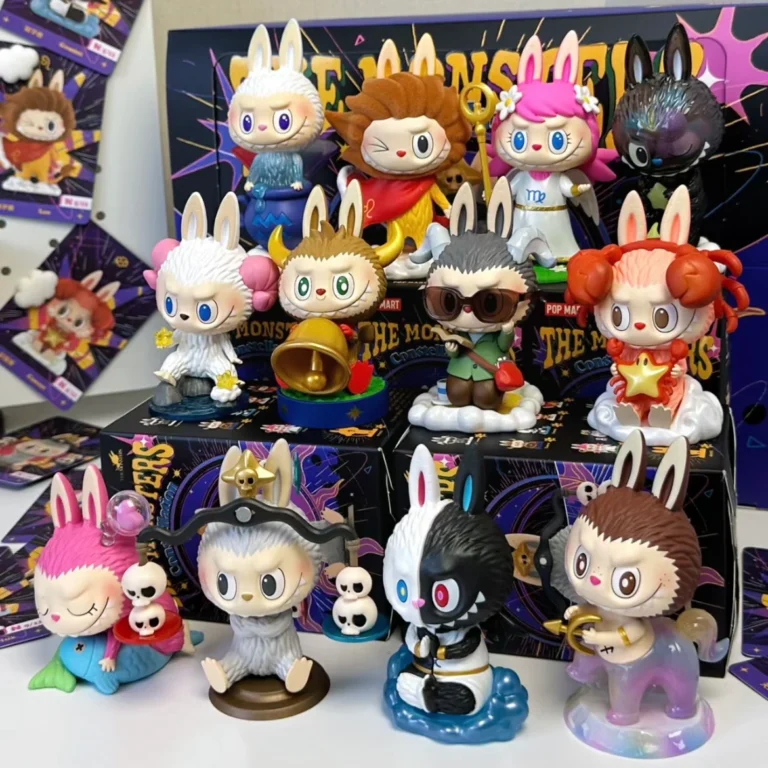
The Constellation Series stands as one of 2025’s most beloved Labubu releases, and for good reason. Each figure represents a zodiac sign, making them deeply personal for collectors. Kids love having a Labubu that matches their astrological sign, turning the toy into a form of self-expression and identity.
The genius of the Constellation Series is how it combines collectibility with personalization. A child born in March might specifically hunt for the Aries Labubu, while friends swap and trade to complete their zodiac collections. This creates natural social interaction and trading ecosystems both online and offline.
The series features glow-in-the-dark details and intricate cosmic designs that appeal to kids interested in space, astronomy, and astrology. Each figure comes with different outfit variations based on its zodiac, giving the series significant variety. Secret Editions within this line are particularly prized, with some reselling for over $300.
What makes zodiac-themed collectibles particularly sticky is their longevity. Unlike trend-based series that fade, zodiac collections appeal year-round and across age groups. A 7-year-old and a 27-year-old can bond over their shared Libra Labubu.
Trend #3: DIY Customization and Creative Expression
Labubu has taken the world by storm in 2025, transforming from a quirky designer toy into a billion-dollar global sensation. If your kids are begging for these adorable yet mischievous little monsters, or if you’re trying to understand why they’re everywhere, this guide breaks down the top 10 Labubu trends that are dominating the toy world right now.
One of the most vibrant trends emerging in 2025 is the DIY customization movement. Kids are no longer satisfied with standard Labubus—they’re transforming them into entirely unique creations.
The customization community includes clothing creation (crochet outfits, fabric designs, mini dresses), prop building (tiny accessories, tools, instruments), and advanced modifications like repainting facial features or dyeing hair. Some kids are creating elaborate seasonal wardrobes for their Labubus, with complete spring, summer, autumn, and winter collections.
A particularly viral trend is the “Carrot Labubu” aesthetic—dressing Labubus in orange outfits with green leafy accessories to resemble the vegetable. This trend exploded on TikTok because it’s simple enough for beginners but creative enough to showcase artistic skill.
Why this trend matters: DIY customization extends the lifespan of each collectible and transforms passive collecting into active creation. A single Labubu becomes dozens of versions through clothing changes. Reddit communities dedicated to DIY Labubus have thousands of members sharing tutorials, ideas, and completed projects. This trend also appeals to parents who appreciate that kids are engaging in hands-on creative work rather than just accumulating toys.
The customization trend has spawned an entire sub-market of miniature clothing, accessories, and craft supplies specifically designed for Labubus. Online marketplaces are filled with handmade items, from tiny Dior dresses to Halloween costumes for these little creatures.
Trend #4: Secret Edition Hunting and Rarity Culture
The hunt for Secret Editions has become its own subculture within the Labubu community. These rare variants, hidden in blind boxes with 1-in-72 odds, represent the ultimate prize for collectors.
Pulling a Secret Edition generates immediate social currency within Labubu communities. Kids rush to Instagram, TikTok, and Reddit to share their rare pulls, and the community celebrates accordingly. Some Secret Editions have become legendary—the “Skull Panda” Labubu, for instance, is whispered about in collector groups like a mythical artifact.
What’s fascinating about this trend is how it mirrors the psychology of traditional collectible markets. Kids are learning about scarcity, supply-and-demand economics, and investment potential through play. A basic Labubu might retain its $20 value, but a Secret Edition from an early series could appreciate to $500+ in just months.
This trend has also created a secondary obsession: “secret hunting.” Collectors buy entire cases (boxes bulk-ordered) specifically to improve odds of hitting secrets. Some Reddit users discuss spending $300-500 on cases in hopes of securing multiple Secret Editions, understanding that even if they get duplicates of regular figures, the few Secret Editions can offset costs.
The rarity culture has also led to authentication anxiety—with counterfeits flooding markets, collectors obsess over details like packaging quality, stitching patterns, and figure weight to verify authenticity. This meta-level engagement deepens the hobby’s complexity.
Trend #5: Trading Communities and Social Connection
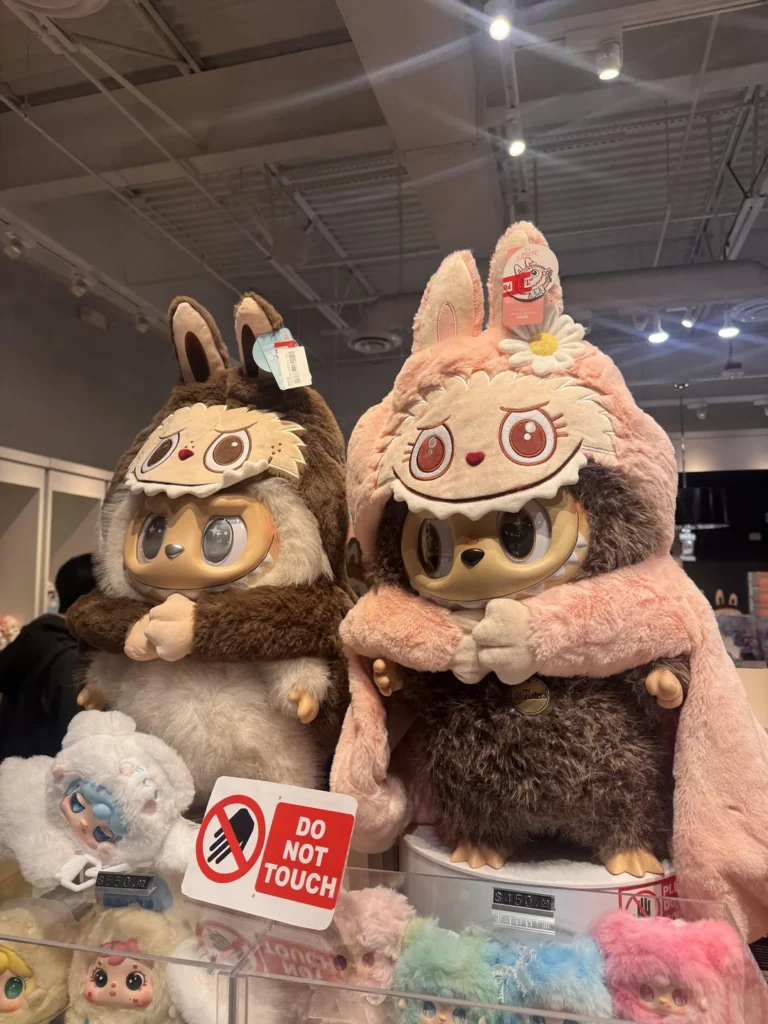
Labubu has created robust trading ecosystems both online and offline. Kids are organizing trades on Reddit (r/Labubu has 92,000+ members), Discord servers, Instagram, and at local Pop Mart stores.
The trading trend reflects how Labubu has evolved from a toy into a social connector. Kids bond over duplicates, negotiate complex multi-figure trades, and build friendships through shared collecting passion. These aren’t just random transactions—trades often become elaborate negotiations where kids learn negotiation skills, value assessment, and community norms.
Trading communities have developed sophisticated cultures with their own terminology, etiquette, and hierarchies. A collector who successfully trades for a rare Secret Edition gains status within their community. Online, detailed “trade posts” outline what figures someone has available, what they’re seeking, and their trading value ratios.
What makes this trend significant for child development is the social-emotional learning involved. Kids practice communication, empathy, fairness, and community building through trading. They learn how to articulate value, negotiate respectfully, and maintain friendships even when trades don’t work out.
Reddit’s Labubu communities have created formal trading structures with verification systems to prevent scams. This has turned casual toy trading into a semi-formal marketplace with its own governance, demonstrating how kids organize complex social systems around shared interests.
Trend #6: Space Adventures and Futuristic Designs
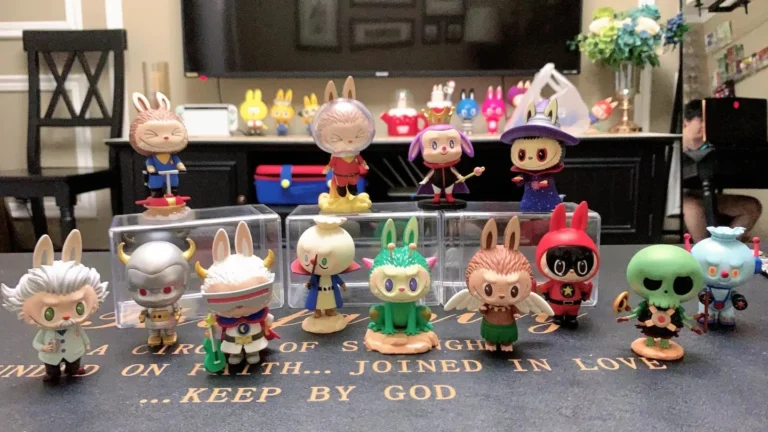
The Space Adventures Series represents another mega-popular 2025 release, showcasing Labubu in cosmic, futuristic settings. Featuring metallic paintwork, sci-fi aesthetics, and astronaut-themed designs, this series appeals to kids interested in space exploration, science fiction, and STEM topics.
The series includes Secret Edition astronaut figures that are among the rarest designs Pop Mart has released. These commands premium prices on resale markets, with some variants exceeding $400.
Why this trend resonates: Kids are increasingly interested in STEM careers, and space-themed collectibles align with that curiosity. Parents often purchase Space Adventures Labubu figures as gateways to deeper interest in astronomy, physics, and engineering. The futuristic designs also age well—they don’t feel childish to older kids or teens, extending the appeal across age groups.
The Space Adventures trend has also inspired creative photography. Kids photograph their Labubus in space-themed dioramas, creating miniature scenes with planets, stars, and spacecraft. This sub-trend of “Labubu photography” has thousands of dedicated followers on Instagram and TikTok.
Trend #7: Celebrity Endorsements and Fashion Culture
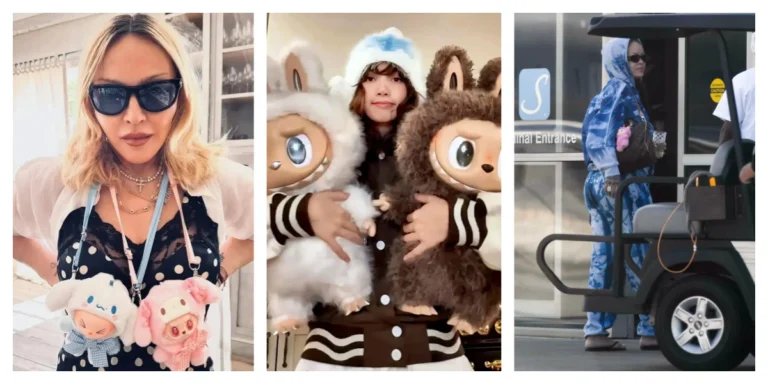
Celebrity influence has been absolutely critical to Labubu’s explosion. When BLACKPINK’s Lisa was spotted carrying a Labubu charm on her Chanel bag in 2023, the toy shifted from niche collectible to status symbol almost overnight.
The celebrity endorsement trend accelerated as Rihanna, Dua Lipa, and numerous other A-list celebrities were photographed with Labubus. This transformed the toys from playthings into fashion accessories—kids now view owning rare Labubus as a way to align with celebrity style.
This trend has had profound effects. What started as kids collecting Labubus has evolved into a fashion statement where certain figures signal membership in an exclusive, trend-aware community. Instagram influencers style Labubus with outfits, photograph them in luxury settings, and treat them as miniature fashion icons.
The celebrity trend has also created pricing hierarchies based on which celebrities are associated with specific Labubu series. Figures mentioned in celebrity posts or worn by famous people experience price spikes on resale markets, sometimes doubling or tripling in value overnight.
Trend #8: Unboxing Videos and Viral Content Creation
Unboxing videos have become their own entertainment genre, with the hashtag #LabubuUnboxing generating hundreds of thousands of views monthly across TikTok and YouTube.
The unboxing trend matters because it transforms the toy-buying experience into shareable content. Kids film themselves opening boxes, reacting authentically to what they pull, and either celebrating or lamenting their results. The best unboxing videos combine genuine emotion with good cinematography, becoming mini-entertainment experiences rather than product demonstrations.
What’s interesting psychologically is that unboxing videos have created a feedback loop. Kids watch professional unboxers open Labubu boxes, get excited, convince parents to buy boxes, film their own unboxing, and share online. This creates aspirational content that drives further purchases.
The trend has also democratized content creation—any kid with a smartphone can become an unboxing content creator, participating in the same space as professional influencers. This accessibility has made Labubu unboxing a participatory trend rather than a spectator sport.
Platforms like TikTok have algorithmically amplified unboxing content, making it one of the platform’s most-viewed categories. The unpredictability of blind boxes means every unboxing is genuinely uncertain, making the content impossible to predict and therefore highly engaging for viewers.
Trend #9: The "Ugly-Cute" Aesthetic and Rejection of Perfection
Perhaps the most culturally significant trend is how Labubu represents a generational shift away from sanitized, perfect toy designs toward embracing imperfection, quirkiness, and authentic weirdness.
This trend reflects broader cultural movements toward authenticity, inclusivity, and celebrating differences. Kids growing up with filtered Instagram feeds and AI-generated perfection are gravitating toward toys that deliberately reject conventional beauty standards. Labubu’s wild hair, asymmetrical features, and toothy grin represent permission to be weird, unusual, and unapologetically yourself.
The psychological appeal of “ugly-cute” is profound. For kids who feel like they don’t fit conventional molds, Labubu becomes a symbol that non-conformity is not just acceptable but actually cool and desirable. This has made Labubu particularly popular among kids who are neurodivergent, creative, artistic, or otherwise feel like outsiders.
This trend has influenced other toy companies to embrace more unconventional designs. The success of Labubu’s imperfect aesthetic has demonstrated that perfection isn’t what sells toys in 2025—authenticity and personality are.
Trend #10: Investment Mentality and Collectible Asset Markets
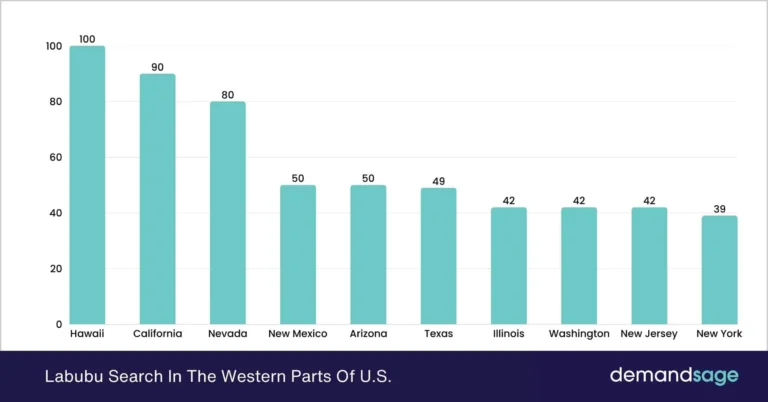
Finally, there’s the increasingly sophisticated investment trend surrounding Labubu. While kids started collecting these toys for joy, a significant portion of the community now approaches Labubu as speculative investments.
This trend reflects how designer toys have evolved from children’s playthings into legitimate investment assets. Rare Labubu figures have appreciated by 741% since launch, with some Secret Editions increasing tenfold in value within months. A $30 blind box pull could realistically flip for $200-500 if it’s a desirable variant.
This investment mentality has created a bifurcated market: casual collectors who buy for enjoyment, and investors who buy strategically, targeting collaborations and limited editions specifically for resale value. Some collectors operate like sneaker resellers or stock traders, analyzing market trends, watching release calendars, and timing purchases for optimal resale value.
The investment trend has introduced both positive and negative elements. On the positive side, it demonstrates that kids and teens can learn real financial principles through collectibles—scarcity, supply-demand dynamics, portfolio diversification, risk management. On the negative side, it has created pressure and anxiety, with some collectors spending beyond their means in hopes of hitting the investment lottery.

Abhishek Sonkar
Meet Abhishek Sonkar, [B.com, B.Ed., M.Ed.], a child development specialist with years of experience in the field. He has written numerous blog posts on child development and parenting.